
 English
  Español
  Deutsch
 Home / News / Industry News / Discover the Key Components of a Caster: Wheels, Brackets, Bearings, and Brakes
-
 Lanyue Metal Technology
-
 [email protected]/[email protected]
-
 24 Hour Service - 7 Days a Week

Industry News
Home / News / Industry News / Discover the Key Components of a Caster: Wheels, Brackets, Bearings, and Brakes
Industry News
Jul 07,2026
Discover the Key Components of a Caster: Wheels, Brackets, Bearings, and Brakes
A caster is not a single piece of hardware but an assembly of carefully matched components. The four fundamental elements are the wheel, the bracket (fork), the bearing, and often a brake or swivel lock. Each plays a specific role in determining load capacity, rolling resistance, floor protection, and overall durability. Selecting the right combination can extend service life by 30–50% and significantly reduce the physical effort required to move heavy loads.
Content
The Four Essential Components of a Caster
Every caster, whether for a light-duty cart or a heavy industrial dolly, shares a common component architecture. The table below summarizes the core parts and their primary functions.
| Component | Typical Materials | Primary Function |
|---|---|---|
| Wheel | Polyurethane, nylon, rubber, cast iron | Direct contact with floor; determines rolling ease and floor protection |
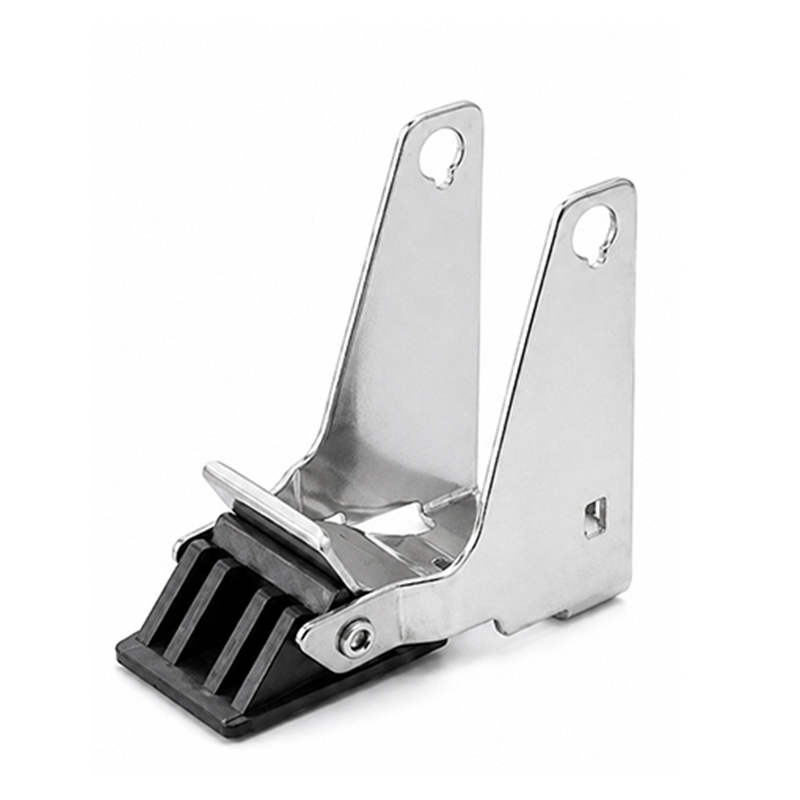
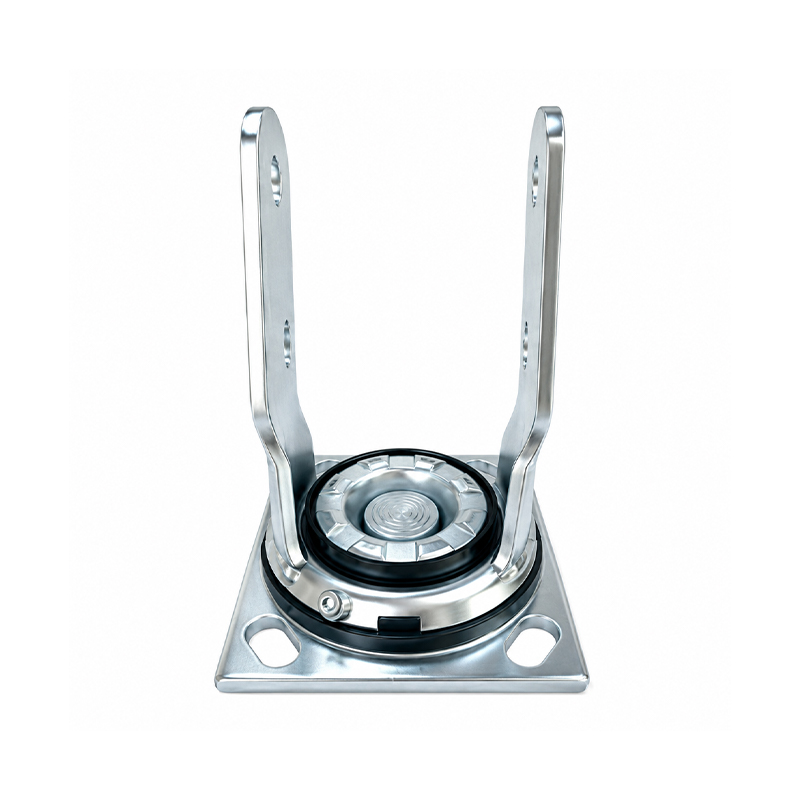
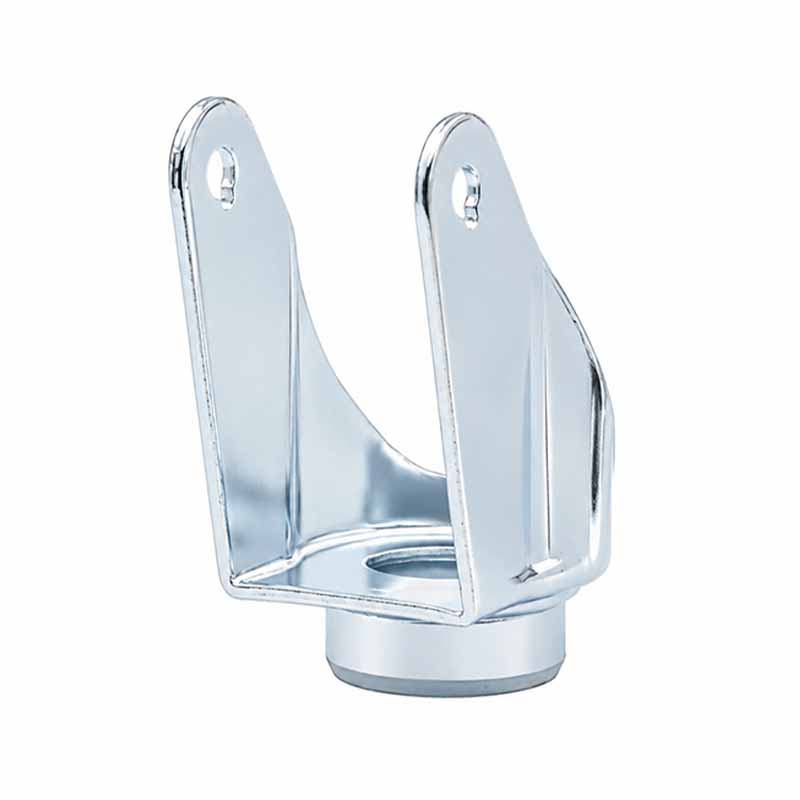
| Bracket (Fork) | Pressed steel, forged steel, stainless steel | Houses the wheel; transmits load; enables swivel or rigid mounting |
| Bearing & Axle | Ball bearings, roller bearings, plain Delrin | Reduces friction between wheel and axle; governs push force |
| Brake / Lock | Steel cam, thermoplastic pedal | Stops wheel rotation or swivel motion for safety |
These components interact in ways that are not always obvious. For instance, a wheel with a high durometer value paired with poor bearings can still cause excessive push force, while a premium bracket with a mismatched wheel may fail prematurely under impact loads.
Wheel Material Selection and Load Capacity
The wheel is the most visible component, and its material choice directly shapes performance. Polyurethane treads with a hardness of Shore A 85–95 offer an excellent balance of low rolling resistance and floor protection, capable of supporting dynamic loads up to 1,500 kg per wheel in some formulations. Nylon wheels have the highest load density and resist chemicals well, but generate more noise—often measured at above 70 dB on rough concrete—making them better suited for outdoor or industrial environments where hygiene and impact strength matter more than quiet operation. Rubber wheels, particularly those with a high natural rubber content, provide shock absorption and work quietly on tiles, but can leave marks and degrade under sustained heavy loads above 250 kg.
A European logistics study found that switching from hard nylon to a medium-soft polyurethane tread on cart casters reduced the initial breakaway force by 28% and lowered vibration transmission to the load by over half, resulting in fewer damaged goods during warehouse transport.
Bracket Types: Swivel, Rigid, and Kingpinless Designs
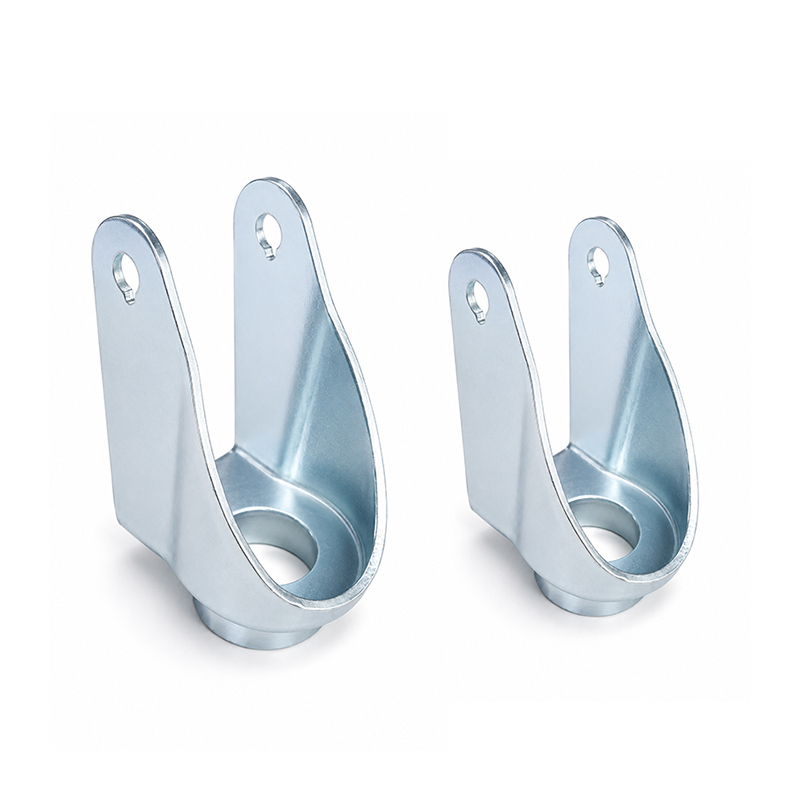
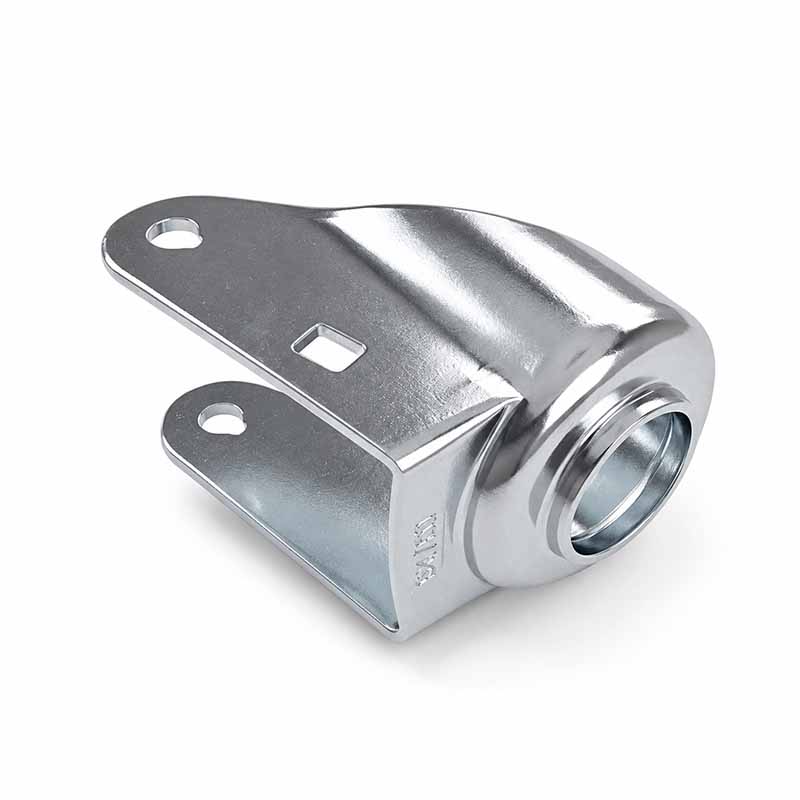
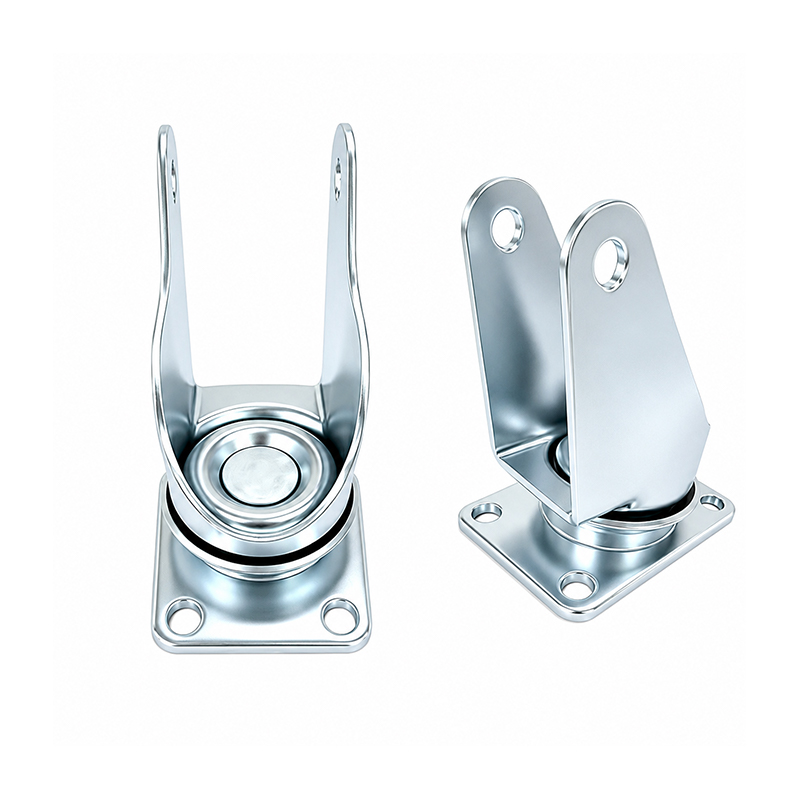
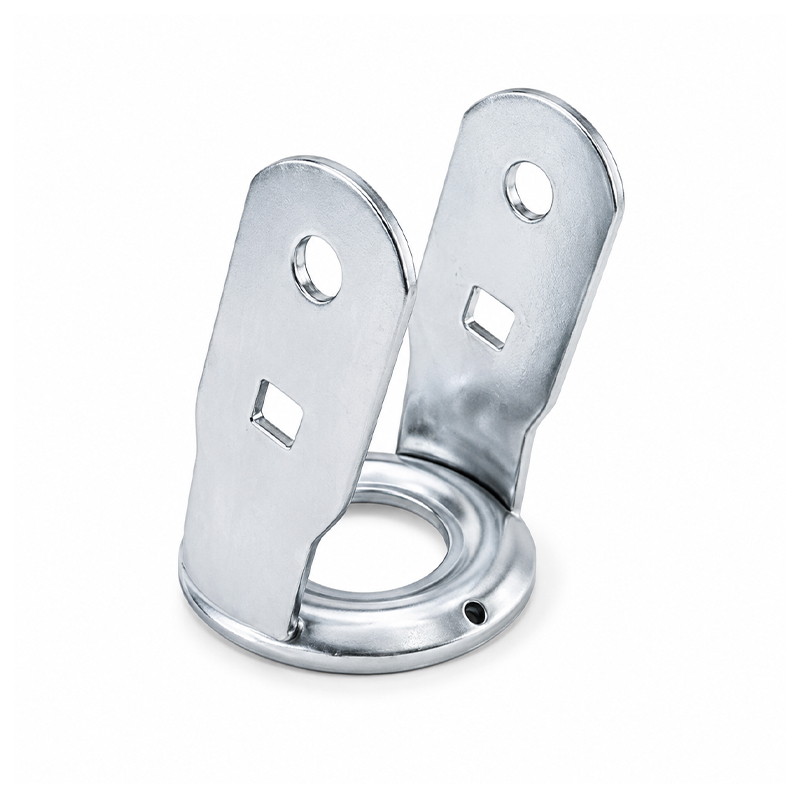
The bracket, or fork, holds the wheel and connects it to the equipment. Swivel brackets contain a raceway and kingpin that allow 360-degree rotation, enabling maneuverability. Rigid brackets, in contrast, provide straight-line stability and higher load capacities in the same size because they eliminate the swivel section. For extremely heavy loads above 3 tons per caster, kingpinless brackets are often specified: they replace the single kingpin with a continuous ball race, distributing the load more evenly and nearly eliminating kingpin shear failures, which are a common cause of catastrophic caster collapse.
Mounting type is also part of the bracket subsystem. Top plates, stem mounts, and bolt-hole patterns must match the equipment. A mismatched plate thickness or bolt circle can create stress concentrations that reduce the effective load capacity by 20% or more, even if the caster itself is rated higher.
Bearings and Axles: The Key to Low Push Force
The bearing type inside the wheel hub is the single most influential factor for rolling resistance on smooth floors. A precision ball bearing can reduce the push force needed to start and sustain movement by 30–50% compared to a plain sintered bronze bushing, according to tests conducted by caster manufacturers. Roller bearings offer even higher radial load capacity and are used in heavy-duty swivel casters exposed to impact. For washdown or wet environments, stainless steel ball bearings or polymer bushings with PTFE are preferred to prevent corrosion and maintain low friction.
Axle design also matters. A solid, case-hardened axle with a precise diameter tolerance of +0.00/-0.02 mm ensures that the bearing inner race does not creep, which would otherwise cause uneven wear and increased rolling resistance over time. Loose or undersized axles can degrade the effective bearing life by more than half.
Brakes and Swivel Locks for Safety
The braking component is easily overlooked until an unsecured cart rolls into a production line or a patient bed shifts during a transfer. Most casters offer a wheel brake that uses a metal cam to press against the tread, providing a static holding force that can exceed 50% of the caster’s rated load capacity. A more advanced option is the total-lock caster, which simultaneously stops wheel rotation and swivel motion with a single pedal, eliminating the directional creep that can occur with a wheel-only brake.
For hospital beds and medical carts, the braking mechanism must reliably engage over thousands of cycles. Standards such as EN 12531 specify that after 10,000 braking cycles, the brake must still hold the bed on a 7-degree slope. Selecting a caster with a tested, certified brake system is non-negotiable in such applications.
Related Products

PRODUCTS
Carbon Steel Fastenerss Rolling Bearings Heavy-Duty Steel Folding Trolleys Swivel Casters Bolt kitsContact
 1st Floor, Building 4, East Side, Jinger Road, Yuxin Town, Nanhu District, Jiaxing City, Zhejiang Province, China
 [email protected][email protected]
 +86-137 0583 8919+86-135 8638 0656
Copyright © Jiaxing Lanyue Metal Technology Co., Ltd. All Rights Reserved.
Privacy
Custom High-Performance Industrial Fasteners Manufacturers, Suppliers
