
 English
  Español
  Deutsch
 Home / News / Industry News / What Makes a Heavy-Duty Steel Folding Hand Truck Truly Industrial-Grade?
-
 Lanyue Metal Technology
-
 [email protected]/[email protected]
-
 24 Hour Service - 7 Days a Week


Industry News
Home / News / Industry News / What Makes a Heavy-Duty Steel Folding Hand Truck Truly Industrial-Grade?
Industry News
Oct 08,2026
What Makes a Heavy-Duty Steel Folding Hand Truck Truly Industrial-Grade?
Industrial-grade is one of the most overused terms in material handling equipment. Place a low-cost folding cart next to a truly heavy-duty steel folding hand truck and the differences go far beyond the paint job. Industrial-grade equipment is engineered to survive continuous shifts, heavy loads, uneven floors, and thousands of folding cycles without loosening, cracking, or failing. Understanding what separates genuine industrial construction from light-duty lookalikes helps warehouse managers, purchasing teams, and maintenance supervisors specify equipment that performs predictably across its full service life.
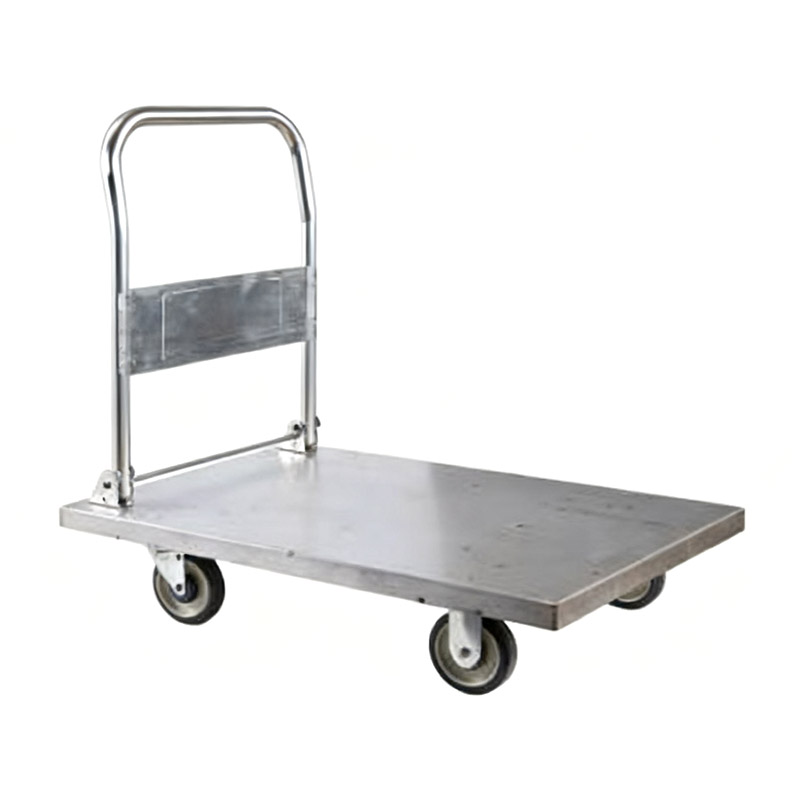 Heavy-Duty Steel Folding Hand Truck with Reinforced FrameThis industrial-grade folding trolley uses thick carbon steel tubing and durable casters to handle continuous shifts and heavy loads, while its foldable design saves storage space. It suits warehouse, factory, and moving applications.View Product →
Content
- 1 Frame Steel Grade and Structural Design
- 2 Rated Load Capacity and Testing Standards
- 3 Wheels, Casters, and Bearings: The Mobility System
- 4 Folding Mechanism and Hinge Durability
- 5 Corrosion Protection and Surface Finishing
- 6 Fastener Quality and Assembly Integrity
- 7 Quality Assurance, Compliance, and Documentation
- 8 Frequently Asked Questions
- 8.0.1 Q1: What is the difference between dynamic and static load rating?
- 8.0.2 Q2: What wheel size is best for an industrial folding hand truck?
- 8.0.3 Q3: Are zinc-plated components durable enough for outdoor use?
- 8.0.4 Q4: How many folding cycles can an industrial hand truck withstand?
- 8.0.5 Q5: Can a heavy-duty folding trolley be customized for a specific application?
Frame Steel Grade and Structural Design
The frame is the backbone of any folding hand truck. Industrial-grade units begin with the correct steel grade and maintain strength through deliberate structural geometry. Tubing wall thickness is one of the first indicators: while light-duty trolleys may use thin-walled rectangular tubing, industrial models typically use thicker carbon steel tube that resists bending and twisting under rated loads.
Reinforcement also separates professional design from economy construction. Gusset plates at the nose plate, cross braces between the side frames, and a fully welded handle loop all reduce stress concentrations. Some of the best designs reduce the number of welds by bending the main frame from a single tube, then adding welds only at points that genuinely need them.
Weld quality matters every bit as much as geometry. Consistent penetration, clean bead surfaces, and weld placement away from hinge and latch zones prevent premature fatigue failures. A frame that distributes stress evenly keeps the hand truck rigid and predictable, even after months of heavy service.
Rated Load Capacity and Testing Standards
Load rating is the specification buyers check first, yet it is also the most easily misunderstood. An industrial-grade hand truck does not merely print a number on a data plate; the rating must be supported by structural calculations and physical testing.
Two terms matter. Dynamic load rating is the maximum weight the truck can carry while being pushed over a typical floor. Static load rating is the maximum weight the truck can support at rest, usually with a safety factor built into the frame design. For welded steel frames, a safety factor of 1.5 to 2 times the working load is normal.
150-300 kgTypical industrial rated load
150-200 mmIndustrial wheel diameter
10,000+Expected folding cycles
1.5x-2xFrame safety factor
| Feature | Light-Duty Trolley | Industrial-Grade Truck |
|---|---|---|
| Frame tube | Thin profile, minimal bracing | Thick-walled carbon steel, welded gussets |
| Rated load | 60-100 kg | 150-300 kg or higher |
| Wheel hub | Sleeve bushings | Sealed ball or integrated bearings |
| Wheel diameter | 100-125 mm | 150-200 mm |
| Surface finish | Basic paint | Zinc plating or powder coating |
| Folding cycle life | Limited | 10,000+ cycles |
Load ratings are only meaningful when the frame, wheels, bearings, and folding mechanism are designed as one integrated system. A heavy frame with undersized rollers will not handle its rated load reliably, and a high-performance wheel assembly bolted to a weak frame is equally dangerous.
Wheels, Casters, and Bearings: The Mobility System
The wheels and casters turn a steel frame into a practical tool. Industrial folding hand trucks typically use two rigid rear casters and two swivel front casters. The swivel assembly must rotate smoothly under load; this is achieved with hardened raceways and ball bearings rather than simple sliding surfaces.
Wheel diameter and tread material determine rolling effort and floor protection. Industrial wheels are commonly made from solid rubber, polyurethane, or nylon, with a wider tread that spreads load and reduces axle stress. Wheel hubs should contain sealed deep-groove ball bearings or integrated bearings rated for continuous rolling, such as 6200-series bearings, instead of inexpensive sleeve bushings that wear out quickly.
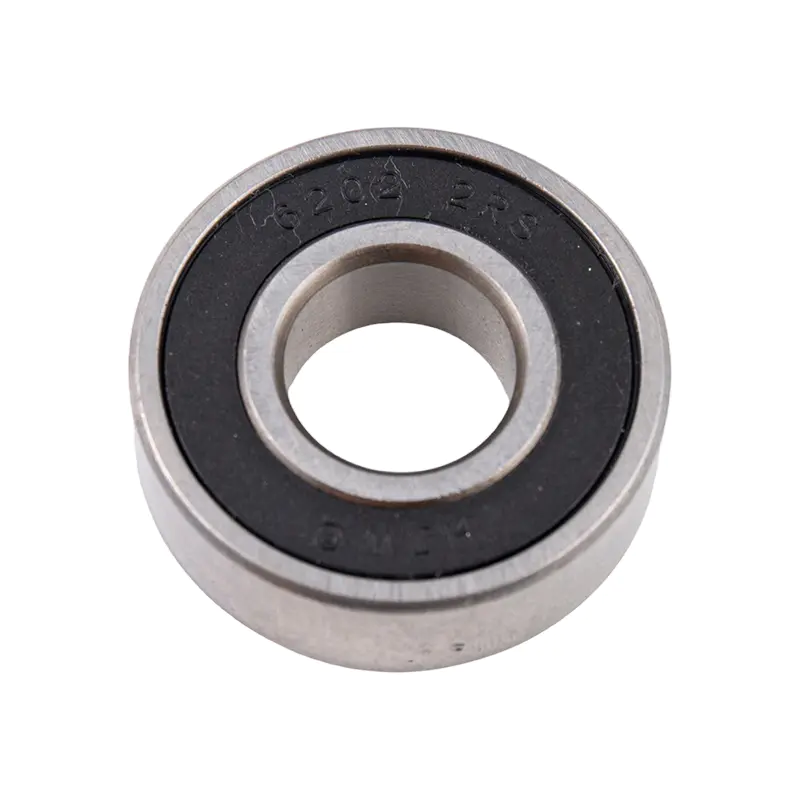 Deep Groove Ball Bearings for Casters and Hand TrucksThese rolling bearings, including 6200-series and 608RS types, reduce friction and support heavy loads in caster wheels and hand truck axles. Their sealed construction improves rolling performance and extends service life.View Product →
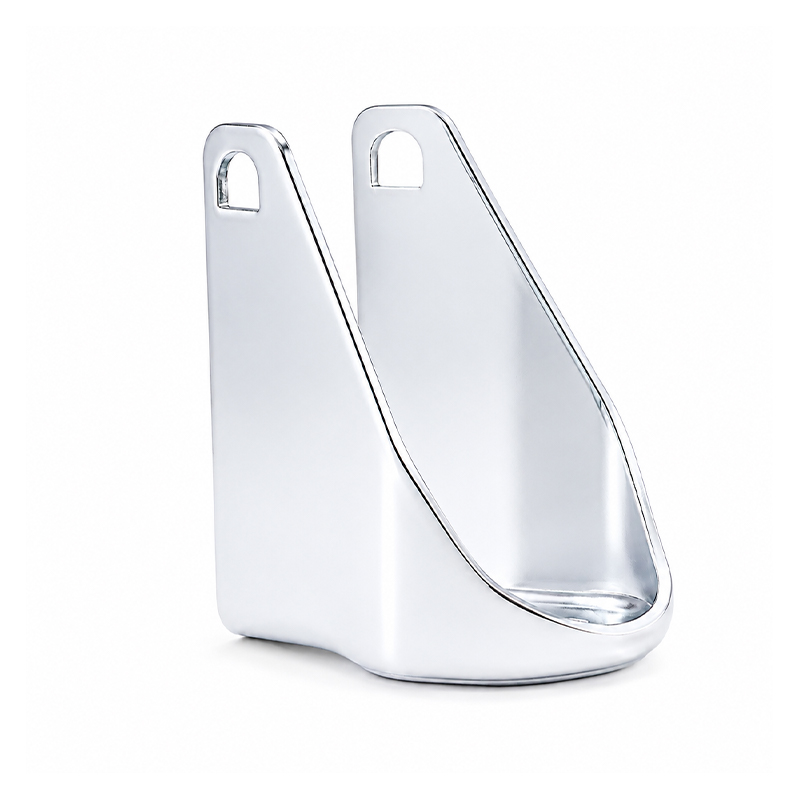
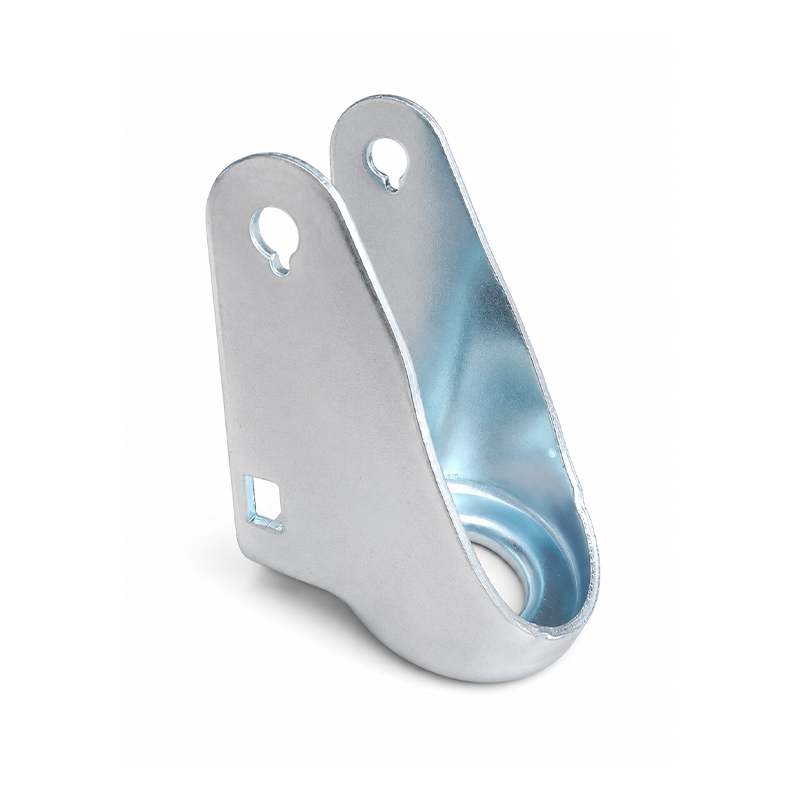
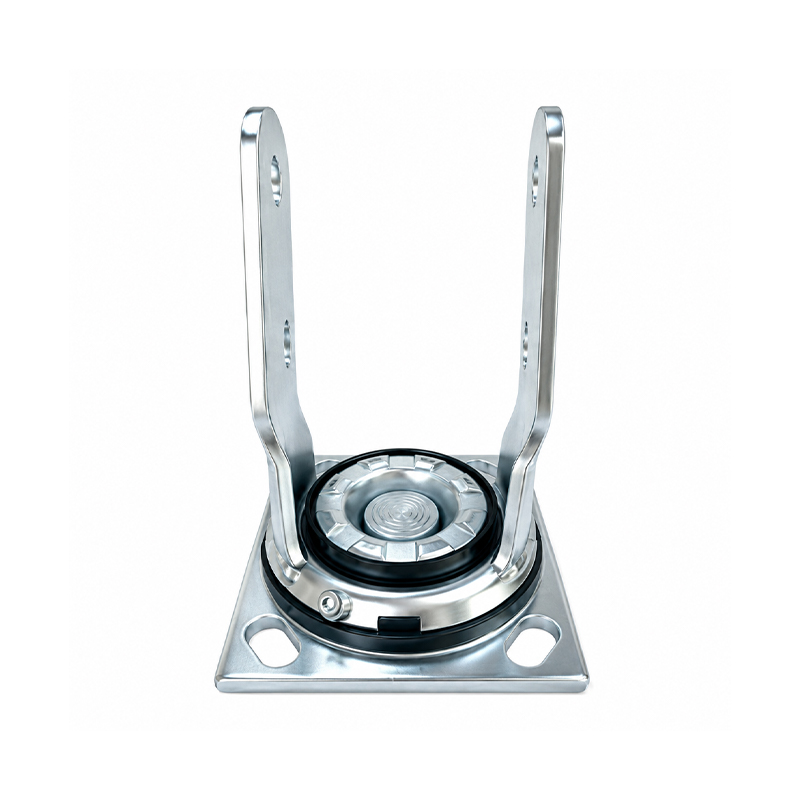
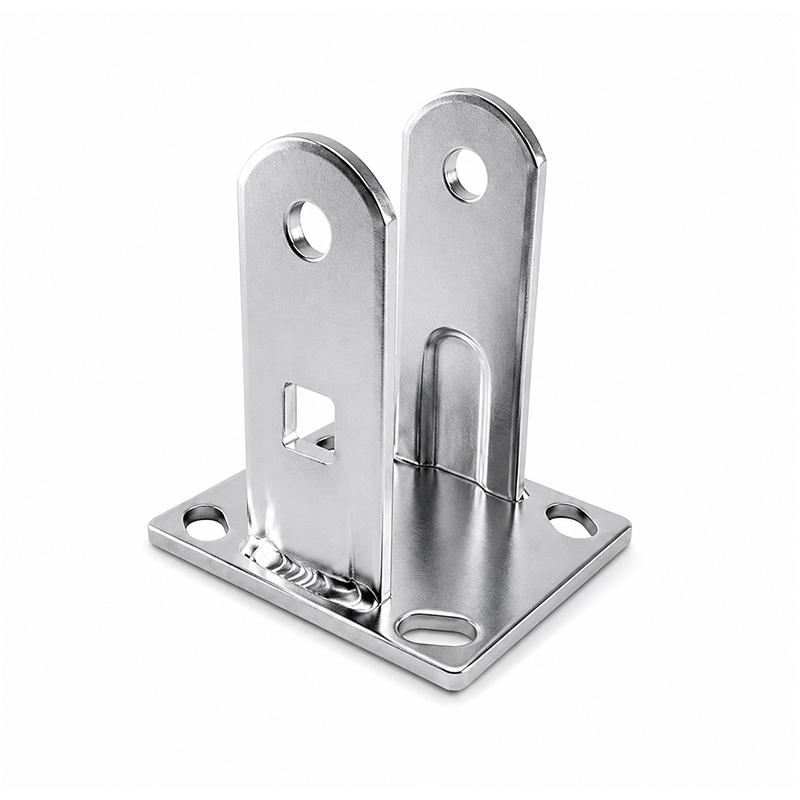
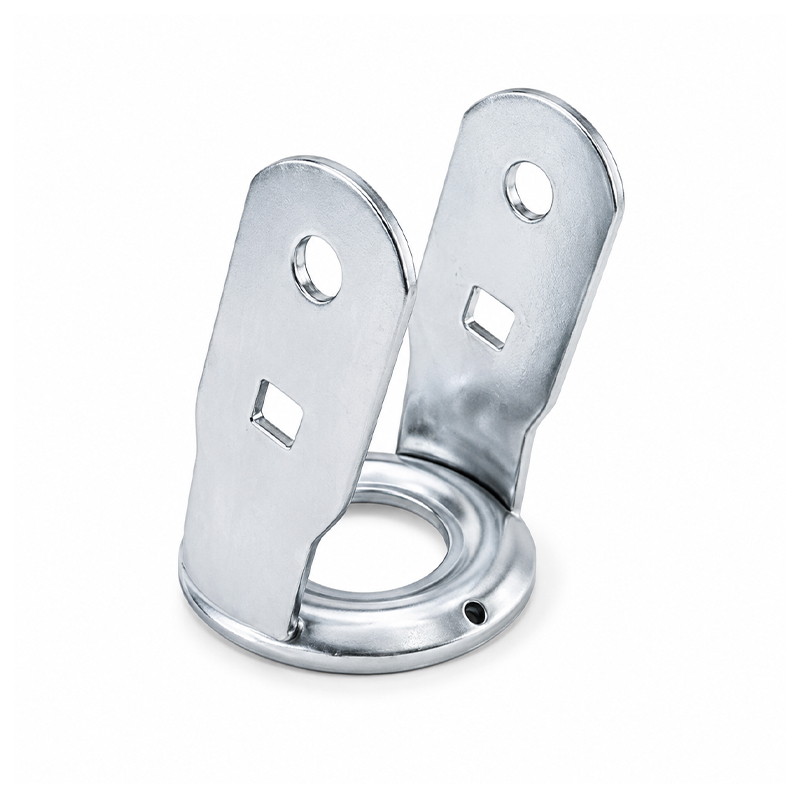
Caster brackets and mounting plates must match the wheel performance. Heavy-duty zinc-plated carbon steel swivel caster brackets resist deformation on rough surfaces, while stainless steel versions suit washdown and corrosive environments. Understanding the key components of a caster — wheels, brackets, and bearings — helps buyers verify that every part of the mobility system is genuinely industrial-grade.
Folding Mechanism and Hinge Durability
The folding mechanism is the most failure-prone part of any hand truck, and the part buyers should inspect most carefully. In light-duty products, the hinge and locking latch often wear out first. Industrial-grade designs use oversized pivot pins, precision hinge bushings, and a positive locking latch that engages automatically when the frame is opened.
The latch must hold the frame rigid in both the vertical and horizontal positions, with no play after thousands of cycles. Grease fittings or sealed bushings protect pivot points from dust and moisture, and hardened pins resist wear and fretting. A hand truck that develops a loose hinge becomes unsafe long before the frame metal itself shows signs of stress.
Corrosion Protection and Surface Finishing
The surface finish directly affects the service life of a folding hand truck in humid warehouses, outdoor loading areas, or food processing environments. Zinc plating is a workhorse coating for fasteners and caster components, offering reliable corrosion resistance at a sensible cost. Powder coating provides a thicker, tougher layer on frame tubing and resists chipping and scratching during daily use. For extreme environments, stainless steel components eliminate rust concerns and tolerate aggressive cleaning chemicals.
A quality finish is more than cosmetic. It protects weld seams from corrosion, keeps folding joints moving freely, and preserves the appearance of the equipment over years of service.
Fastener Quality and Assembly Integrity
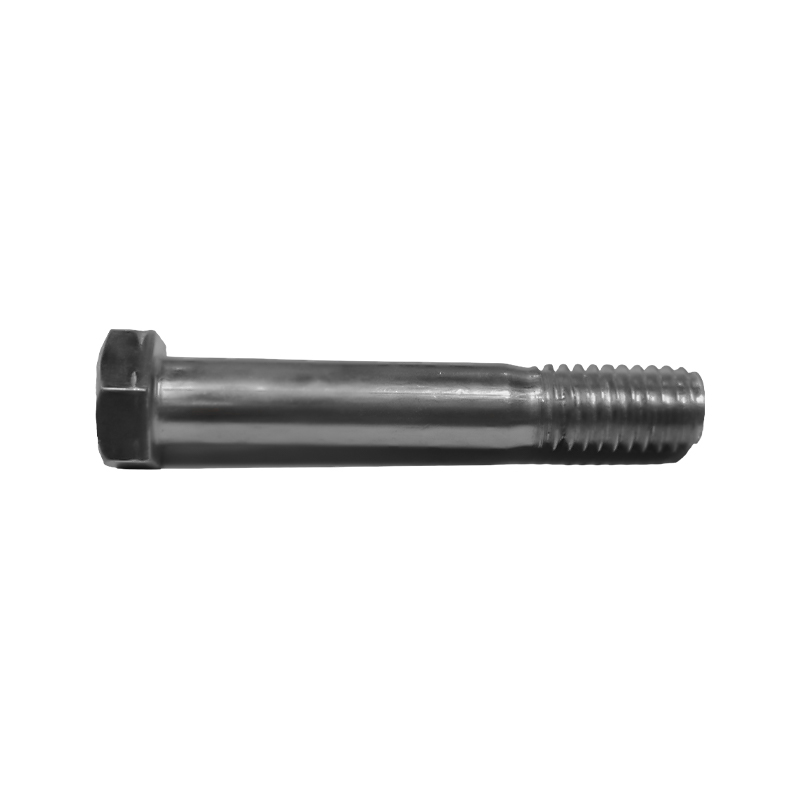
Welds do not hold a hand truck together alone. Bolted joints secure wheel assemblies, caster plates, handle brackets, and hinge components, and the quality of those connections determines long-term rigidity. Industrial-grade trucks rely on high-strength fasteners such as grade 8.8 galvanized carbon steel hex bolts, often paired with nylon-insert self-locking nuts that resist vibration-induced loosening. Matching fastener type, strength grade, and torque to each joint prevents bolts from backing out under shock loads.
An engineering guide to carbon steel fastener grades explains how strength classes and coatings affect joint reliability. When replacing fasteners, using the correct grade and size is just as important as frame inspection.
Quality Assurance, Compliance, and Documentation
Suppliers that serve industrial customers operate under documented quality systems. ISO 9001 certification provides the foundation for consistent material traceability, process control, and final inspection. Load testing, weld inspection, dimensional verification, and surface coating checks should be built into the production flow rather than applied as an afterthought.
A credible manufacturer also brings OEM experience to the table. As a supplier with more than a decade of OEM manufacturing for global industrial customers, we can tailor the hand truck to the application: specific load ratings, wheel configurations, handle heights, and finishes can all be customized to match the operating environment. When sourcing industrial-grade equipment, buyers should ask for test reports, material certificates, and manufacturing process details.
Frequently Asked Questions
Q1: What is the difference between dynamic and static load rating?
Dynamic load rating is the maximum weight a hand truck can carry while being moved over floors, ramps, or thresholds. Static load rating is the maximum weight it can support while stationary. Industrial manufacturers test both and apply a safety factor to the frame and component design.
Q2: What wheel size is best for an industrial folding hand truck?
Larger wheels, typically 150 mm to 200 mm in diameter, roll more easily over uneven floors, door tracks, and small obstacles. Smaller wheels are lighter but require more pushing effort. The right choice depends on the floor surface of the facility.
Q3: Are zinc-plated components durable enough for outdoor use?
Zinc plating provides good corrosion resistance for most warehouse and covered outdoor applications. For continuous wet or chemical exposure, stainless steel wheels, brackets, and fasteners are the safer choice.
Q4: How many folding cycles can an industrial hand truck withstand?
Well-designed industrial folding hand trucks are built for tens of thousands of folding cycles. The pivot pins, bushings, and locking latch determine cycle life, so quality at these points is critical.
Q5: Can a heavy-duty folding trolley be customized for a specific application?
Yes. OEM manufacturers can adjust load ratings, wheel types, platform dimensions, handle designs, surface finishes, and folding mechanisms to match customer requirements, including private-label production.
Related Products

PRODUCTS
Carbon Steel Fastenerss Rolling Bearings Heavy-Duty Steel Folding Trolleys Swivel Casters Bolt kitsContact
 1st Floor, Building 4, East Side, Jinger Road, Yuxin Town, Nanhu District, Jiaxing City, Zhejiang Province, China
 [email protected][email protected]
 +86-137 0583 8919+86-135 8638 0656
Copyright © Jiaxing Lanyue Metal Technology Co., Ltd. All Rights Reserved.
Privacy
Custom High-Performance Industrial Fasteners Manufacturers, Suppliers
