
 English
  Español
  Deutsch
 Home / News / Industry News / What Are the Key Benefits of Using Automotive Fastening Solutions in Modern Vehicles?
-
 Lanyue Metal Technology
-
 [email protected]/[email protected]
-
 24 Hour Service - 7 Days a Week

Industry News
Home / News / Industry News / What Are the Key Benefits of Using Automotive Fastening Solutions in Modern Vehicles?
Industry News
Feb 10,2026
What Are the Key Benefits of Using Automotive Fastening Solutions in Modern Vehicles?
The modern automobile is a marvel of engineering, a complex symphony of thousands of parts working in unison. The integrity of this symphony depends not just on the major components like engines and transmissions, but fundamentally on the unseen heroes: automotive fastening solutions. These are not mere nuts and bolts; they are precision-engineered components critical for safety, performance, durability, and manufacturing efficiency. As vehicles evolve with lightweight materials, advanced driver-assistance systems (ADAS), and electric powertrains, the role of specialized fasteners becomes even more pivotal. This article delves into the core advantages of employing sophisticated automotive fastening solutions, exploring how they address contemporary engineering challenges and contribute directly to vehicle quality and longevity. We will also integrate insights related to key search queries, such as best fastener types for car body panels, automotive thread locking techniques for vibration, lightweight fasteners for electric vehicle battery packs, corrosion resistant bolts for undercarriage, and high strength screws for engine components, to provide a comprehensive view of this essential field.
Content
- 1 1. Enhancing Vehicle Safety and Structural Integrity
- 2 2. Enabling Lightweight Vehicle Design and Improved Efficiency
- 3
- 4 3. Combating Corrosion and Ensuring Long-Term Durability
- 5 4. Streamlining Manufacturing and Assembly Processes
- 6 5. Supporting Advanced Powertrains and Vehicle Electronics
- 7 FAQ
- 7.1 What is the difference between standard bolts and automotive-grade fasteners?
- 7.2 How often should critical fasteners (like lug nuts or suspension bolts) be checked for tightness?
- 7.3 Why do some automotive fasteners require thread locker, and can I reuse them?
- 7.4 What are the best practices for preventing corrosion on undercarriage bolts during DIY repairs?
- 7.5 How are fasteners for electric vehicles different from those in traditional cars?
1. Enhancing Vehicle Safety and Structural Integrity
Foremost among the benefits of advanced automotive fastening solutions is their indispensable role in occupant safety. Every fastener in a vehicle's safety-critical systems—from seat belts and airbag modules to the steering column and brake assemblies—must perform flawlessly under extreme stress. The failure of a single fastener in these systems can have catastrophic consequences. Modern fastening systems are therefore designed with precise clamping forces, fatigue resistance, and predictable failure modes. Engineers utilize specialized automotive thread locking techniques for vibration to prevent self-loosening in areas prone to constant motion, such as suspension components. These techniques, including chemical adhesives, mechanical lock washers, and prevailing torque nuts, ensure that connections remain secure over the vehicle's lifespan, directly preventing accidents caused by component separation. Furthermore, the strategic use of high strength screws for engine components and chassis parts ensures that these heavy-duty elements remain firmly anchored during collisions, contributing to the controlled deformation of crumple zones and the overall structural integrity of the passenger cell.
- Critical Safety Systems: Fasteners in airbag inflators, seat belt pretensioners, and brake calipers are subject to rigorous testing and certification.
- Vibration Mitigation: Advanced thread-locking technologies are essential for powertrain and driveline applications where constant vibration is a primary concern.
- Crashworthiness: Engineers select fasteners based on their tensile and shear strength to ensure they behave predictably in a crash, allowing energy-absorbing structures to function as designed.
| Safety Application | Fastener Type / Solution | Key Benefit |
| Seat Belt Anchors | High-grade bolts with precise torque specs | Maintains restraint system integrity under immense dynamic load. |
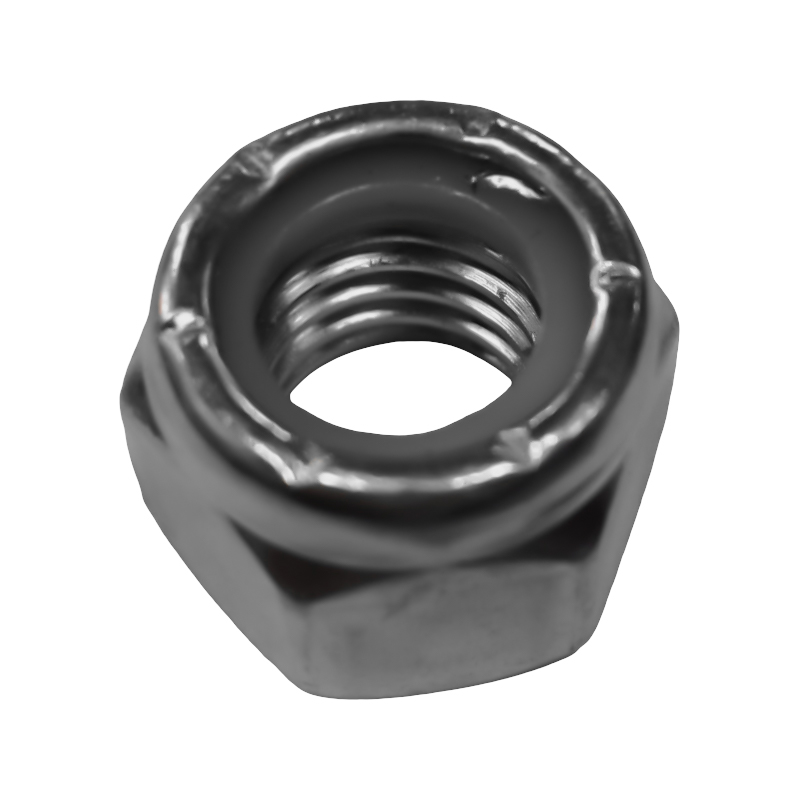
| Suspension Linkages | Nylock nuts or adhesive-coated screws | Prevents loosening from road vibration, ensuring handling stability. |
| Battery Pack Enclosure (EV) | Serrated flange bolts and strategic weld points | Secures high-voltage components, preventing intrusion in an impact. |
2. Enabling Lightweight Vehicle Design and Improved Efficiency
The automotive industry's relentless push for reduced emissions and increased range, especially for electric vehicles, hinges on lightweighting. Replacing traditional steel with aluminum, carbon fiber composites, and advanced plastics presents a significant fastening challenge. Standard fasteners can cause galvanic corrosion or fail to grip properly in softer materials. This is where specialized lightweight fasteners for electric vehicle battery packs and body structures come into play. Engineers employ fasteners made from titanium, advanced aluminum alloys, or even high-strength polymers. Furthermore, the choice of the best fastener types for car body panels made of mixed materials is crucial. Self-piercing rivets (SPR), flow drill screws (FDS), and adhesive bonding are often used in combination to join dissimilar materials without compromising joint strength or adding undue weight. This meticulous approach to fastening is a key enabler of lightweight architecture, directly translating to better fuel economy in internal combustion engine vehicles and extended range for EVs.
- Material Compatibility: Fasteners are selected or coated to prevent galvanic corrosion when joining dissimilar metals (e.g., steel bolt to aluminum frame).
- Joint Efficiency: Modern methods like FDS create a threaded connection in thin materials without a pre-drilled hole, saving weight and process steps.
- Multi-Material Assembly: The body-in-white stage often uses a "mix-and-match" approach of rivets, screws, and adhesives tailored to each specific joint requirement.
| Lightweighting Strategy | Fastening Solution | Efficiency Gain |
| Aluminum Body Panels | Self-piercing Rivets (SPR) | Creates a strong, consistent joint without heat damage or pre-hole, ideal for automation. |
| Carbon Fiber Tub | Hi-lok pins or bonded inserts | Provides high-strength, lightweight attachment points for subsystems. |
| Plastic Composite Components | Ultrasonic welding or heat-staked inserts | Eliminates metal fasteners entirely in non-structural areas, reducing weight and cost. |
3. Combating Corrosion and Ensuring Long-Term Durability
A vehicle's longevity is severely tested by environmental factors like road salt, moisture, and temperature cycles. Corrosion can weaken fasteners and the components they hold, leading to costly repairs and safety hazards. This makes the specification of corrosion resistant bolts for undercarriage, brake lines, and exposed body parts a critical aspect of vehicle design. Advanced automotive fastening solutions tackle this through material science and coatings. Fasteners may be made from stainless steel or be treated with sophisticated coatings like zinc-nickel, Geomet®, or Dacromet®. These coatings provide sacrificial protection, meaning they corrode slowly in place of the base metal and the vehicle's structure. For the most severe environments, such as the undercarriage, engineers might specify fasteners with a combination of a robust coating and sealing washers to create a complete environmental seal, protecting both the fastener and the bolt hole.
Beyond the undercarriage, corrosion protection is integral to maintaining the integrity of the entire vehicle. Electrical connections, for instance, rely on fasteners with proper plating to ensure consistent conductivity over time. The use of such durable automotive fastening solutions directly impacts resale value and reduces the total cost of ownership by minimizing maintenance needs related to seized or rusted bolts.
- Coatings Technology: Multi-layer coatings offer superior corrosion resistance compared to standard galvanization, often surviving 1000+ hours in salt spray tests.
- Sealing Strategies: Integrated sealing elements (e.g., O-rings on washer faces) prevent water and debris ingress into critical joints.
- Material Selection: Aluminum and composite fasteners are inherently corrosion-resistant but are used where their strength-to-weight ratio is appropriate.
4. Streamlining Manufacturing and Assembly Processes
The efficiency of an automotive assembly line is paramount. Fastening operations account for a significant portion of assembly time and cost. Innovative automotive fastening solutions are designed for manufacturability, aiming to reduce the number of parts, simplify processes, and enable automation. This involves designing fasteners that are easy to handle, feed, and install by robots. Examples include fasteners with built-in washers (flange bolts), thread-forming screws that eliminate the need for tapping, and clip-on nuts that can be pre-assembled to a panel. The pursuit of the best fastener types for car body panels often revolves around these principles. A fastener that can be installed with a single-sided tool access, like a blind rivet, is invaluable in areas with limited space behind the panel. This drive for efficiency not only speeds up production but also improves consistency and quality by reducing the potential for human error in manual torque application.
- Design for Assembly (DFA): Fasteners are engineered to be mistake-proof (Poka-Yoke), such as having asymmetrical heads that only fit one way.
- Automation Compatibility: Consistent head geometry and reliable feeding characteristics are essential for robotic screwdrivers and rivet guns.
- Process Consolidation: A single multi-functional fastener can replace a stack of standard washers, lock washers, and nuts, saving time and inventory.
| Manufacturing Challenge | Fastening Innovation | Process Benefit |
| Multiple Part Handling | Top-lock or weld nuts pre-attached to brackets | Reduces line-side parts, speeds assembly, ensures nut is correctly positioned. |
| Blind-Side Assembly (no rear access) | Blind rivets or break-stem bolts | Allows joining of hollow structures or closed sections from one side only. |
| High-Speed Torquing | Torque-to-yield bolts or angle-controlled tightening | Ensures precise, consistent clamp load critical for gasketed joints (e.g., cylinder head). |
5. Supporting Advanced Powertrains and Vehicle Electronics
The advent of electric vehicles (EVs) and increasingly sophisticated electronics has created new fastening paradigms. Lightweight fasteners for electric vehicle battery packs are a prime example. The battery pack is the heaviest and most safety-critical component in an EV. Its enclosure must be incredibly strong to protect cells in a crash, yet its mounting must manage thermal expansion and vibrations. Fasteners here must offer high strength-to-weight ratios, often using advanced alloys, and may incorporate insulating sleeves to prevent electrical shorts. Similarly, the proliferation of sensors, cameras, and radars for ADAS requires secure and precise mounting. Fasteners for these components must maintain exact alignment (critical for camera calibration) and be non-magnetic or non-interfering with sensitive signals. In high-voltage areas, specialized insulating fasteners and meticulous automotive thread locking techniques for vibration are used to prevent arcing or loosening that could lead to system failure.
- Thermal Management: Fasteners in battery packs and power electronics must maintain clamp force across a wide temperature range without relaxing.
- EMI/RFI Shielding: Some fasteners are designed to maintain the continuity of electromagnetic shielding gaskets around control units.
- Precision Alignment: Adjustable or slotted fastener mounts allow for fine-tuning of radar and LiDAR sensor angles during assembly.
FAQ
What is the difference between standard bolts and automotive-grade fasteners?
Automotive-grade fasteners are engineered to vastly higher standards than generic hardware store bolts. They are manufactured from specific, controlled alloys to achieve precise strength grades (e.g., Grade 5, Grade 8, or metric classes like 8.8, 10.9). Their production includes rigorous heat treatment and often sophisticated surface coatings like zinc-nickel for corrosion protection. Crucially, they are designed with consistent thread pitch, lead, and head dimensions to ensure reliable automated assembly and predictable torque-tension relationships. Using a non-automotive fastener in a critical application can lead to premature failure due to inadequate strength, improper clamping, or rapid corrosion.
How often should critical fasteners (like lug nuts or suspension bolts) be checked for tightness?
For most modern vehicles, a proactive re-torquing of critical fasteners outside of scheduled maintenance is not typically required if they were installed correctly at the factory or during repair. However, it is a critical safety practice to have lug nuts re-torqued approximately 50-100 miles after a tire rotation or wheel installation, as they can settle and loosen. For suspension and steering components, any work involving disassembly should be followed by a re-check after a short drive cycle. Owners should be vigilant for symptoms like new rattles, clunks over bumps, or a feeling of looseness in steering, which could indicate a loose fastener and warrant an immediate professional inspection.
Why do some automotive fasteners require thread locker, and can I reuse them?
Thread locking compounds (like Loctite®) or integrated locking features (like nylon patches) are used on automotive fastening solutions in applications prone to vibration-induced self-loosening, such as engine accessories, interior trim, and brake caliper guides. Their primary function is to maintain clamp load. Reusability depends on the type. Many factory-applied chemical thread lockers are designed for one-time use; a fastener removed will have its locking capability significantly diminished and should ideally be replaced with a new pre-treated fastener or have fresh compound applied. Mechanical lock washers can often be reused if they are not overly flattened, but it is always best practice to consult the vehicle's service manual for specific fastener replacement guidelines.
What are the best practices for preventing corrosion on undercarriage bolts during DIY repairs?
When replacing corrosion resistant bolts for undercarriage during DIY work, several steps ensure longevity. First, always use a replacement fastener of the same or higher grade and specification as the original. Before installation, clean the threads in the receiving hole with a thread chaser (not a tap, which can cut new metal). Apply a small amount of anti-seize compound to the fastener's threads, being careful to avoid getting it on the bearing surface under the head, as this can affect torque accuracy. Torque the fastener to the manufacturer's specification. For added protection, a brush-on wax-based corrosion inhibitor can be applied over the assembled joint. This mimics the factory's focus on durable automotive fastening solutions.
How are fasteners for electric vehicles different from those in traditional cars?
EV fasteners address unique challenges. Weight is paramount, so there is greater use of lightweight fasteners for electric vehicle battery packs and aluminum structures, employing high-strength aluminum, titanium, or even composite fasteners. Electrical isolation is critical; many fasteners in and around the battery and motor use insulating washers, sleeves, or coatings to prevent accidental current paths (short circuits). Thermal considerations are different; fasteners must maintain performance across different temperature ranges and may be part of thermal management systems. Finally, the reduction in overall vibration from an electric motor compared to an internal combustion engine can change the requirements for vibration damping, though automotive thread locking techniques for vibration remain essential in suspension and chassis areas.
Related Products

PRODUCTS
Carbon Steel Fastenerss Rolling Bearings Heavy-Duty Steel Folding Trolleys Swivel Casters Bolt kitsContact
 1st Floor, Building 4, East Side, Jinger Road, Yuxin Town, Nanhu District, Jiaxing City, Zhejiang Province, China
 [email protected][email protected]
 +86-137 0583 8919+86-135 8638 0656
Copyright © Jiaxing Lanyue Metal Technology Co., Ltd. All Rights Reserved.
Privacy
Custom High-Performance Industrial Fasteners Manufacturers, Suppliers
